October 14, 2026
Sheet Metal Fabrication: Core Processes, Applications and Industry Benchmarks
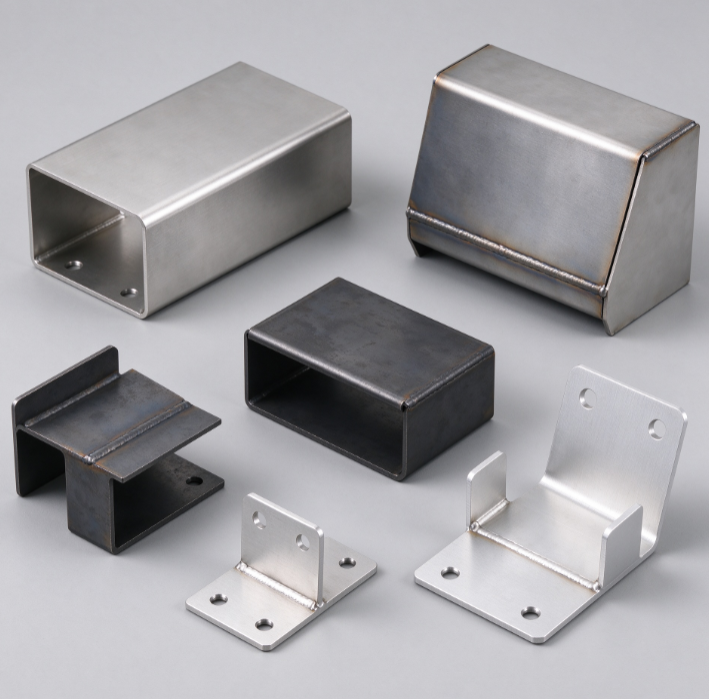
Table of Contents
1. Introduction
2. Core Processes of Sheet Metal Fabrication
3. Common Materials Used in Sheet Metal Fabrication
4. Key Industry Applications
5. Industry Performance and Benchmark Data
6. Industry FAQs
Introduction
Sheet metal fabrication is a foundational manufacturing method. It shapes thin metal sheets into functional, custom parts and finished products.
This manufacturing method supports almost all industrial sectors. It delivers durable, cost-effective metal components for commercial and industrial use.
Custom sheet metal work stays popular. It fits small-batch prototypes and large-scale mass production equally well.
Core Processes of Sheet Metal Fabrication
Laser Cutting
Laser cutting is the most common precision step in sheet metal fabrication. It uses focused laser beams to cut metal sheets with clean edges.
The process creates minimal material waste. It works for complex shape designs that traditional cutting tools cannot handle.
CNC Bending and Forming
CNC bending changes flat sheet metal into three-dimensional shapes. It follows programmed digital instructions.
This step ensures consistent angles and dimensions across all produced parts. It improves overall product uniformity.
Welding and Assembly
Welding joins multiple fabricated metal pieces together. It builds complete structural units and finished assemblies.
Final assembly adds hardware, fasteners and auxiliary parts. It makes components ready for direct installation.
Surface Finishing
Surface finishing includes powder coating, galvanizing and polishing. It protects metal parts from rust and wear.
Finishing also upgrades product appearance. It extends the service life of sheet metal products.
Common Materials Used in Sheet Metal Fabrication
Different metals bring different mechanical properties. Manufacturers select materials based on usage scenarios and cost needs.
Material Type | Key Features | Common Use Cases |
Stainless Steel | Corrosion resistant, high strength | Food equipment, medical parts, outdoor structures |
Aluminum | Light weight, easy processing | Automotive parts, electronic enclosures |
Carbon Steel | Low cost, strong rigidity | Industrial frames, machinery bases |
Key Industry Applications
Automotive Industry
Automotive sector consumes large volumes of sheet metal fabrication products. It uses custom metal panels, brackets and internal structural parts.
Lightweight aluminum fabrication helps reduce vehicle energy consumption. It meets modern automotive efficiency standards.
HVAC and Construction
HVAC systems rely heavily on fabricated metal ducts and housing units. These parts need precise sizing for perfect installation.
Construction fields use sheet metal components for building decoration and structural support. The materials hold stable in extreme weather.
Electronics and Medical
Electronic equipment needs thin, accurate sheet metal enclosures. They shield internal circuits from external damage.
Medical-grade stainless steel fabrication meets strict hygiene rules. It applies to hospital equipment and surgical tool parts.
Industry Performance and Benchmark Data
Global sheet metal fabrication services market keeps steady growth. Downstream industry expansion drives continuous market demand.
Market Metric | Statistic Data | Time Period |
Global Market Size | USD 18.5 Billion | 2025 |
2026 Forecast Market Size | USD 19.52 Billion | 2026 |
Compound Annual Growth Rate | 5.5% | 2026-2034 Forecast |
Asia Pacific takes the largest market share in sheet metal fabrication. The region has dense manufacturing bases and mature supply chains.
Custom fabrication orders grow faster than standard product orders. More industries need personalized metal component solutions.
Industry FAQs
1. What is the difference between sheet metal fabrication and general metal processing?
Sheet metal fabrication focuses on thin metal plate processing. It prioritizes precision bending, cutting and surface treatment. General metal processing covers thick metal forging and casting with different technical standards.
2. Which material is most cost-effective for standard sheet metal parts?
Carbon steel is the most cost-effective choice for non-corrosive working environments. Stainless steel and aluminum cost more but fit harsh or lightweight usage scenarios.
3. How long does a custom sheet metal fabrication project take?
Simple standard parts take 3 to 7 working days. Complex custom components with special finishing need 10 to 20 working days. Order quantity also affects delivery time.
4. What industries need sheet metal fabrication the most?
Automotive, HVAC, construction, electronics and medical industries are the top demand fields. These sectors need large numbers of customized precision metal parts every year.