October 14, 2026
Precision Metal Stamping: Process, Applications and Core Industry Advantages
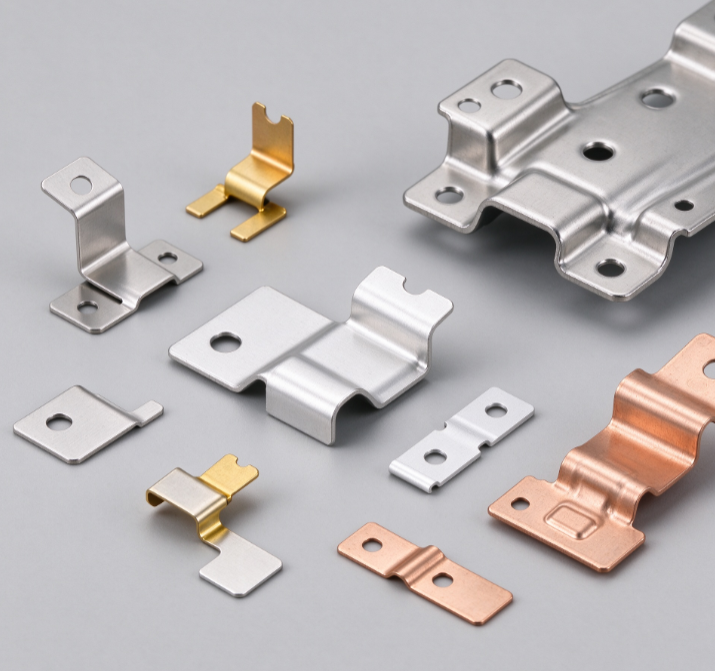
Table of Contents
1. What Is Precision Metal Stamping
2. Core Working Processes of Precision Metal Stamping
3. Key Application Industries for Precision Metal Stamping Parts
4. Material Efficiency & Performance Data Comparison
5. Core Benefits of Professional Precision Metal Stamping
6. Industry FAQ
What Is Precision Metal Stamping
Precision Metal Stamping is a high-accuracy metal forming manufacturing method. It shapes thin metal sheets and coils into custom parts with tight tolerance standards.
This fabrication technology uses customized stamping dies and mechanical presses. It delivers consistent, repeatable metal components in high production volumes.
General metal stamping accepts tolerance errors of several millimeters. Precision Metal Stamping controls tolerance down to 1 micron in top-tier production scenarios. This matches the thickness of a single human hair.
The global precision metal stamping market holds stable growth in 2025. The total market value reaches USD 245.8 Billion. It maintains a 4.75% CAGR for the 2025–2035 forecast period.
Core Working Processes of Precision Metal Stamping
1. Material Preparation
Manufacturers select qualified metal raw materials. Common options include steel, stainless steel, aluminum and copper alloys.
Material thickness and hardness match final part usage needs. Raw coils get cleaned and flattened to remove surface defects.
2. Die Design and Fabrication
Custom stamping dies are the core of Precision Metal Stamping production. Die precision directly decides final part accuracy.
Professional dies support complex bending, punching and embossing. They ensure zero deviation in mass production.
3. High-Precision Press Stamping
Automated precision presses apply controlled pressure on metal materials. The machines run at stable speed to avoid shape distortion.
Multiple stamping cycles finish complex part structures in one continuous process. This cuts secondary processing work.
4. Finishing and Quality Inspection
Stamped parts go through deburring, polishing and surface treatment. These steps improve durability and appearance.
Each batch gets dimension and surface testing. Unqualified products get eliminated strictly.
Key Application Industries for Precision Metal Stamping Parts
Precision Metal Stamping parts support many high-end manufacturing fields. These fields require strict part accuracy and stability.
Automotive manufacturing is the largest demand sector. New energy vehicle batteries and body structural parts widely use precision stamped components.
Consumer electronics is another major application field. Tiny structural parts for phones, laptops and wearable devices rely on micro precision stamping technology.
Aerospace and medical equipment industries also adopt this technology. They need ultra-precise metal parts with long service life and high safety performance.
Material Efficiency & Performance Data Comparison
Different metal materials show different performance in Precision Metal Stamping production. The below table shows key 2025 industry data of mainstream stamping materials.
Material Type | Market Segment Share | Production Tolerance Range | Main Application Scenarios |
Ordinary Steel | 42.3% | ±0.05mm – ±0.1mm | Automotive structural parts, industrial machinery |
Stainless Steel | 28.7% | ±0.02mm – ±0.05mm | Electronic shells, medical device parts |
Aluminum Alloy | 19.2% | ±0.03mm – ±0.08mm | Lightweight automotive components, consumer electronics |
Copper Alloy | 9.8% | ±0.01mm – ±0.03mm | Conductive precision parts, electrical components |
Steel materials take the largest market share in precision stamping. High-strength steel stamping products support nearly half of all automotive stamping applications.
Copper alloy has the strictest tolerance level. It is the best choice for high-precision conductive component production.
Core Benefits of Professional Precision Metal Stamping
High production consistency is the biggest advantage of Precision Metal Stamping. Automated die stamping keeps uniform part size in millions of production batches.
It has obvious cost advantages in mass production. The one-time die investment supports long-term high-volume output. Unit production cost drops greatly.
This process supports complex structural design. It finishes bending, punching and forming in one step. It reduces assembly procedures for finished products.
Product durability is reliable. Stamped metal parts have stable metal internal structure. They show better mechanical strength than some cast metal parts.
Industry FAQ
1. What is the minimum tolerance of standard precision metal stamping?
General industrial precision stamping maintains tolerance within ±0.02mm. Advanced customized production can reach 1 micron ultra-precision tolerance for high-end industries.
2. What is the main difference between precision stamping and ordinary metal stamping?
Ordinary stamping focuses on simple shape forming with loose tolerance. Precision Metal Stamping uses high-precision dies and automated equipment. It meets strict size and surface standards for high-tech manufacturing.
3. Which industry needs precision metal stamping products most?
The automotive industry is the largest consumer. New energy vehicle lightweight and battery component demands drive continuous market growth of precision stamping parts.
4. Is precision metal stamping suitable for small-batch production?
It fits high-volume production best. Small-batch customized orders are also available. But the unit cost will be higher due to fixed die development costs.